Athens, one page at a time
Athens Art Book Fair connects artists, presses and readers around work on paper. Its 2025 program placed that exchange alongside AthFest’s music weekend.
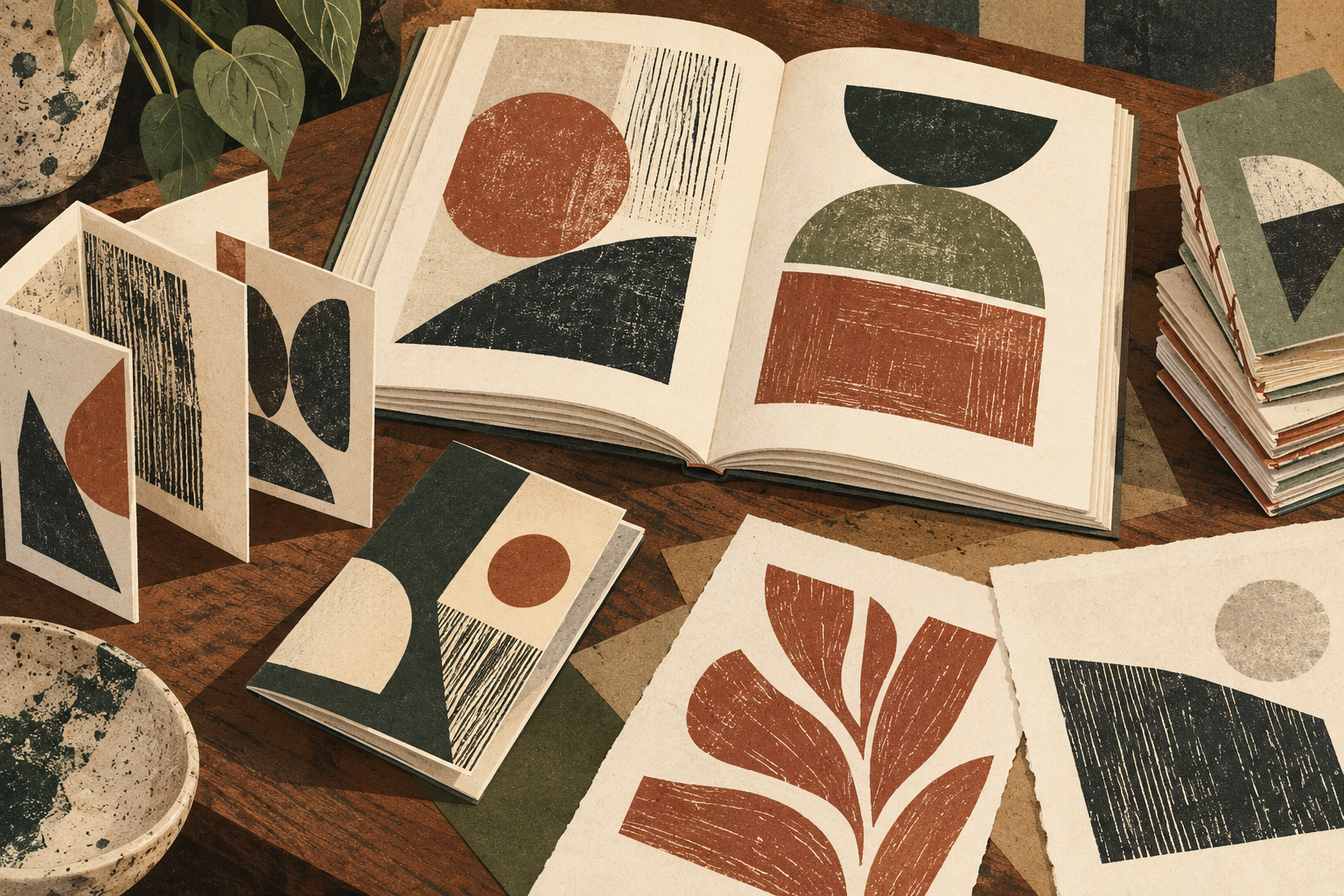
A book can carry an artwork, but it can also be the artwork. A fold changes the order in which an image appears. The space between two pages can connect pictures that would feel unrelated on separate walls. Those choices make an art book an encounter with an object as well as its contents.
The third annual Athens Art Book Fair was scheduled for June 21, 2025, from 11 a.m. to 4 p.m. at the Athenaeum, 287 West Broad Street. Admission was free. UGA’s event listing invited visitors to explore work on paper from dozens of artists and presses. UGA — 2025 event listing
A wider definition of publishing
The Lamar Dodd School of Art dates the fair's establishment to 2023 and describes a regional focus on the Southeast. Its explanation of art books stretches from conventional bound books to magazines and zines, with techniques including letterpress, photocopying, screenprinting, and risography. Publishing, in that account, is itself an artistic practice. Organizer's description
For someone who associates collecting art with large budgets or specialized vocabulary, the object offers a starting point. How does it open? Does the next page change a photograph’s meaning? Is the paper simply a support, or part of the work? An unusual binding has to earn its place, just as a photocopied page can be carefully considered.
Part of a larger weekend
AthFest’s April 29, 2025 announcement named the fair among its affiliated events. The program connected music and publishing without making them the same experience: a visitor could encounter an artist through a page as well as a stage. AthFest Educates — April 29, 2025 program
Athens’ publishing culture can begin at that smaller scale: a maker, a page and a reader willing to look closely. The fair gives those encounters a public meeting place.